What I Learned at Canva Create 2026 (And What It Has to Do with Your Brand)
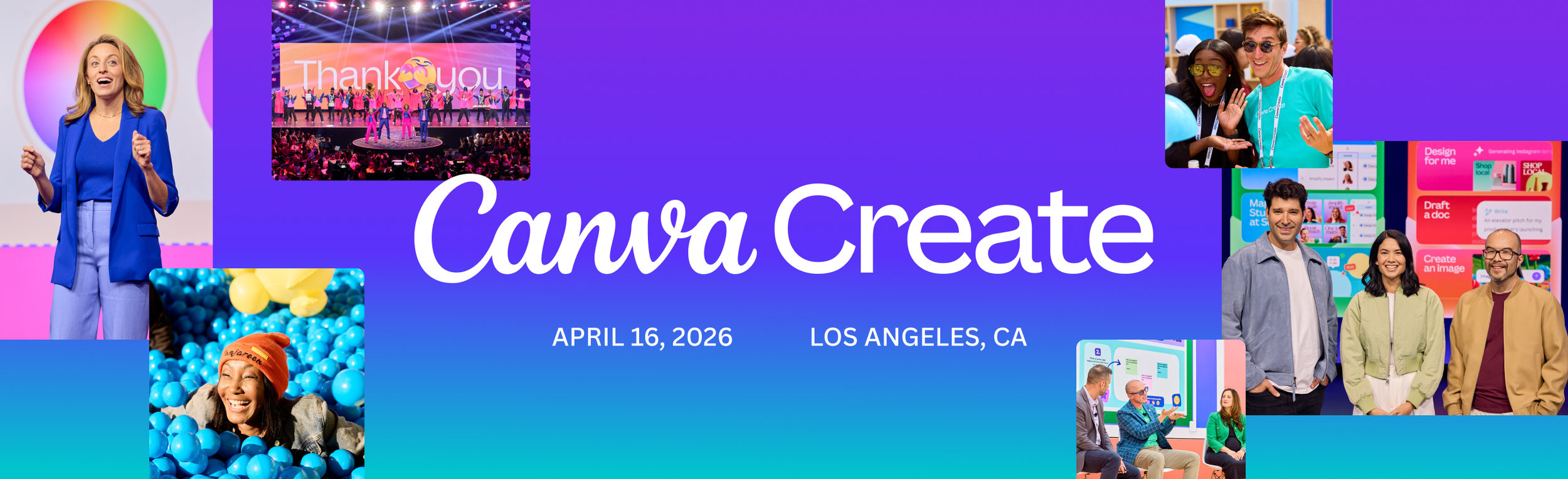
Let me set the scene.
I'm a designer. I went to a Canva conference. And I left with more thoughts about your brand than my own.
(I know. I know.)
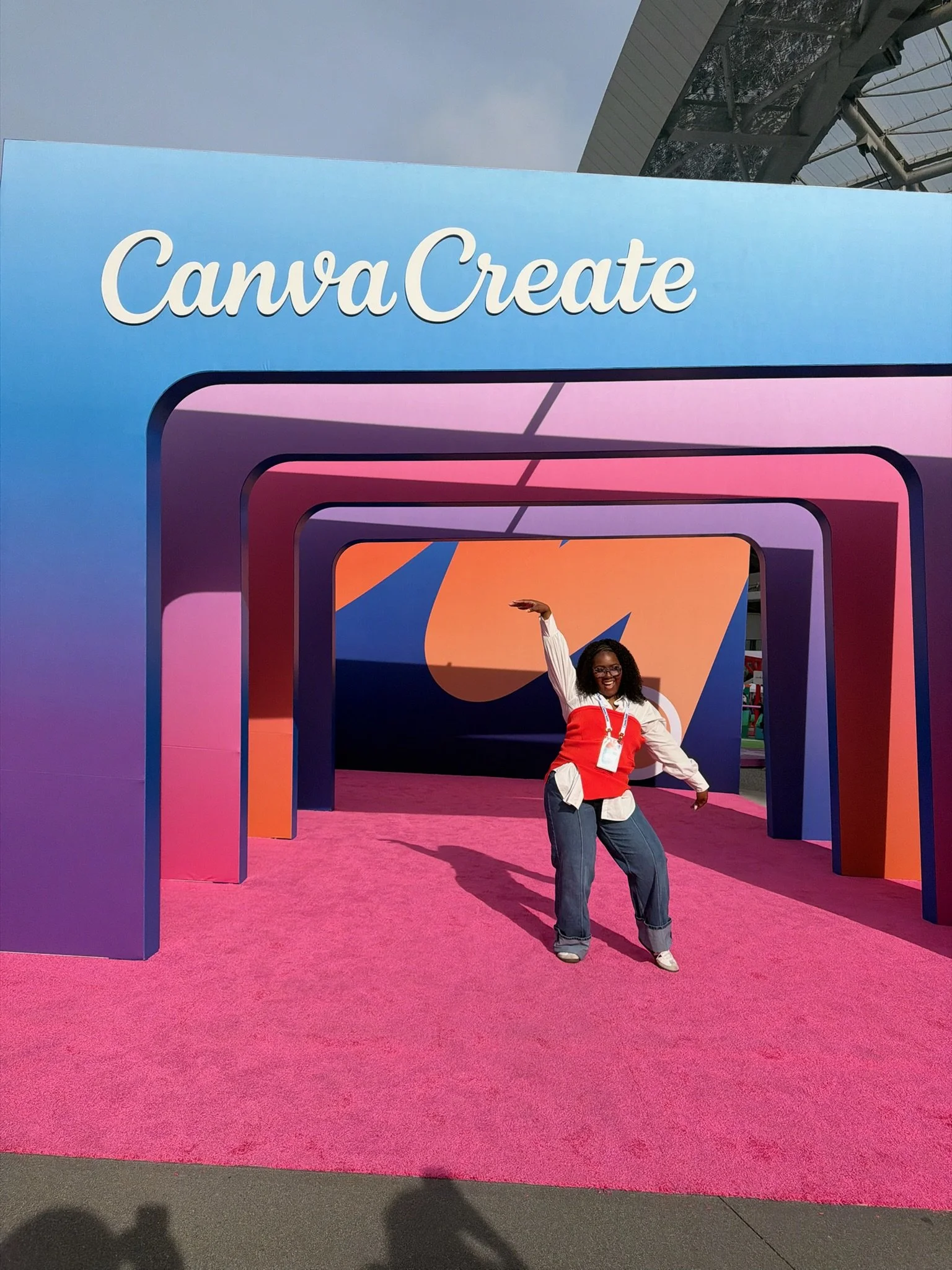
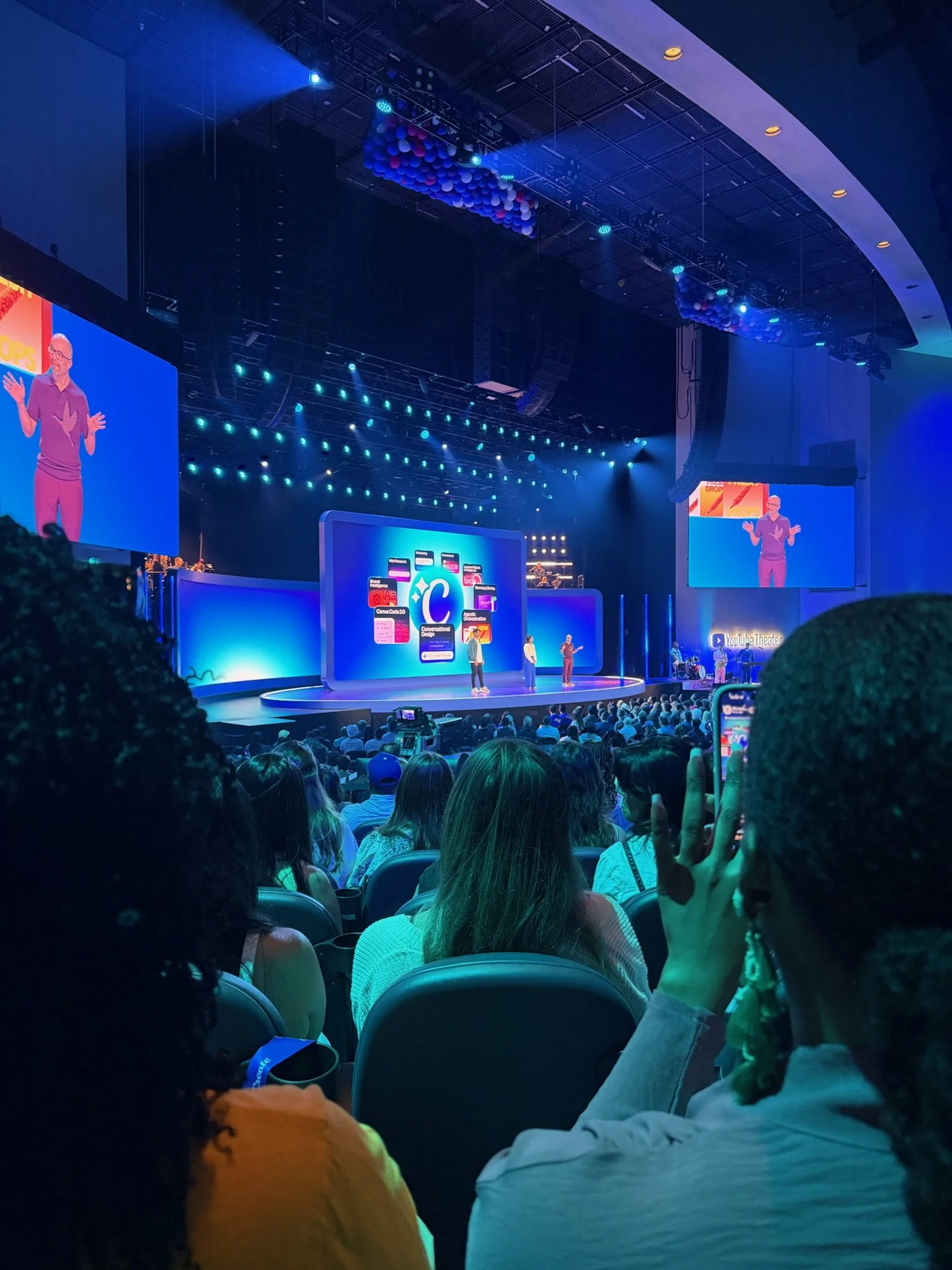
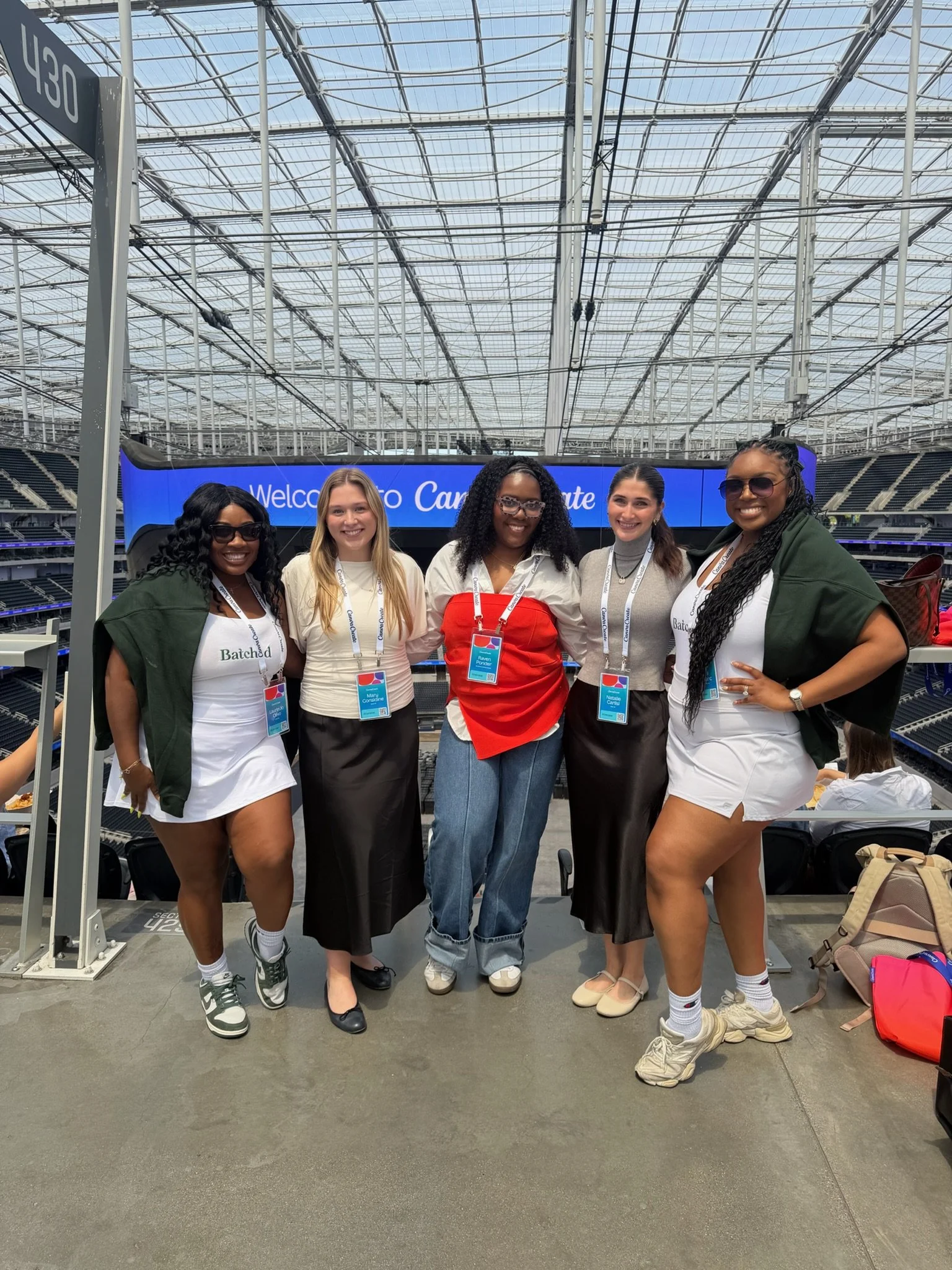
Canva Create is Canva's annual event — product announcements, creative sessions, a lot of enthusiasm about where design tools are headed. And while I was there in a professional capacity, scoping new features and watching how people interact with design at scale, what I kept coming back to wasn't the product updates.
It was the way people use (and misuse) design when there's no strategy underneath it.
So here's what I actually took away from the conference, and why it matters for your brand specifically.
1. You're not overthinking your brand. You just haven't been forced to commit.
Working inside a constrained template system does something interesting, it removes the 'but what if I tried this instead' spiral because the options are limited by design. And watching people move through Canva's tools at scale, I kept noticing: most brands that look inconsistent or unfinished aren't that way because the person behind them lacks taste or vision. They're that way because nobody ever made them pick something and stay with it.
We're all guilty of this. You find a font you love in January, a new color palette in March, and a totally different aesthetic after your favorite designer drops a new brand suite in June. Before long, your Instagram grid looks like it belongs to four different people, your website doesn't match your proposals, and somehow your business card is still using your original logo from three years ago.
Infinite options feel like freedom. But they're often the exact thing keeping your brand from landing with the people you're trying to reach.
2. Your audience should be able to recognize your stuff before they even see your name.
This sounds simple. It's not.
There's a version of brand consistency that people think means 'everything is the same color.' And sure, that's part of it. But what I kept observing at Canva Create was something more specific — the difference between brands that feel on and brands that feel like they're trying. And it almost always came down to whether the same visual decisions were showing up consistently across every touchpoint someone encounters before they decide to hire you.
Not just your website. Your social posts, your email newsletters, your proposals, your Zoom background, your email signature. Every single one of those things is a data point your potential clients are quietly collecting before they ever book a call.
When someone scrolls past something you made and knows it's you without seeing your name — that recognition is doing sales work you're not even in the room for. It's not a preference. It's a trust signal. And trust signals convert.
Want more strategy like this in your inbox? Purpose & Pixels is my weekly newsletter for founders, consultants, and service pros who want their brand to work as hard as they do.
3. Aesthetics are a vibe. A brand system is something you can actually hand off.
This is the one I think about most with clients.
There's a real difference between having a brand you love looking at and having a brand that functions without you. And what I saw at Canva Create — in the way people built, shared, and tried to replicate each other's designs — was a lot of people working from aesthetics without ever building a foundation underneath them.
Here's what that looks like in practice: you have a color palette you love. Maybe you even have a logo. But when it's time to make a new graphic, a new page on your site, a new one-pager for a speaking engagement — you're starting from scratch every single time. Every new piece of content is a fresh judgment call. And judgment calls at scale are exhausting.
A brand system is what replaces those judgment calls with decisions you already made. It's the document — or the Canva workspace, or the Squarespace style guide — that someone else could pick up and produce something that looks like you without calling you. That's not a luxury reserved for companies with big teams. That's what separates people who feel confident showing up online from people who dread it.
So, what do you do with this?
You don't have to build a brand system from scratch this week. You don't have to overhaul everything at once. But if you've been feeling like your brand isn't quite matching the professional you've become — that's not imposter syndrome. That's a gap worth closing.
If you're ready to do that strategically, head to my resource page. There's a lot there to help you get oriented before you make any big moves — whether you're preparing for a full website redesign or just trying to get more intentional about how you show up online.